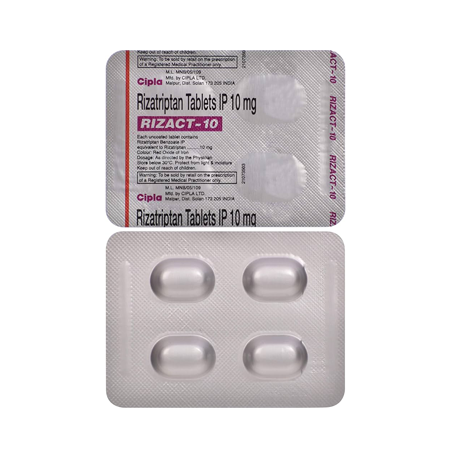
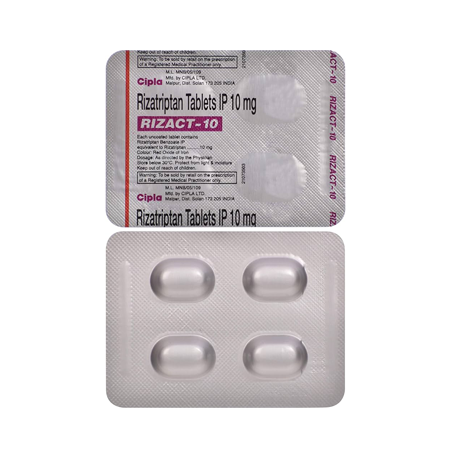
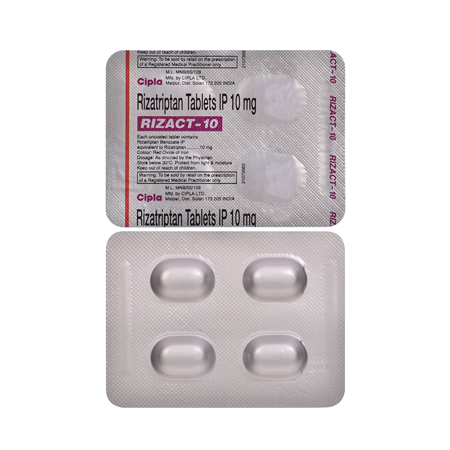
Rizatriptan is a prescription medication belonging to the triptan class of drugs, specifically designed for the acute treatment of migraine attacks with or without aura in adults and certain pediatric patients. It helps relieve migraine symptoms once an attack has started but is not intended to prevent migraines or reduce their frequency.
The medication works by selectively activating serotonin (5-HT1B/1D) receptors in the brain. This action causes constricted blood vessels to return to their normal size and reduces the release of inflammatory substances involved in migraine attacks. As a result, Rizatriptan helps relieve headache pain as well as associated symptoms such as nausea, vomiting, and sensitivity to light and sound.
Rizatriptan is most effective when taken as soon as migraine symptoms begin. If the headache returns after initial relief, a second dose may be taken if recommended by a healthcare provider, while remaining within the maximum daily dosage.
Common side effects may include dizziness, drowsiness, fatigue, dry mouth, flushing, and a sensation of pressure or tightness in the chest or throat. Although uncommon, serious cardiovascular events may occur in individuals with certain heart conditions. Patients should seek immediate medical attention if they experience severe chest pain, shortness of breath, or symptoms of an allergic reaction.
Before taking Rizatriptan, patients should inform their healthcare provider about any history of heart disease, stroke, uncontrolled high blood pressure, liver or kidney disease, or medications they are taking, particularly other migraine treatments or antidepressants that may increase the risk of serotonin syndrome. When used as prescribed, Rizatriptan provides fast and effective relief from acute migraine attacks, helping patients return to their normal daily activities.
 CATEGORY