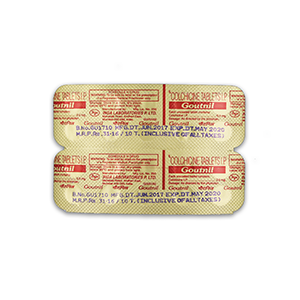
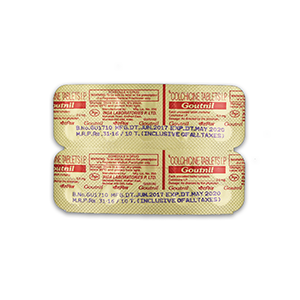
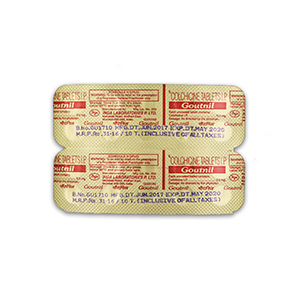
Colchicine is a prescription medication commonly used to prevent and treat gout attacks, a type of inflammatory arthritis caused by the buildup of uric acid crystals in the joints. It is also prescribed for certain inflammatory disorders, including familial Mediterranean fever (FMF), to help reduce inflammation and prevent recurrent flare-ups.
The medication works by decreasing the activity of inflammatory cells, particularly neutrophils, which play a key role in the body's inflammatory response. By limiting inflammation rather than lowering uric acid levels, Colchicine helps relieve joint pain, swelling, redness, and tenderness during acute gout attacks and reduces the frequency of future episodes when taken regularly.
Colchicine may be used alone or in combination with other medications that lower uric acid levels, such as xanthine oxidase inhibitors, as part of a comprehensive gout management plan. It should be taken exactly as prescribed, as exceeding the recommended dose can lead to serious toxicity.
Common side effects include nausea, vomiting, abdominal pain, diarrhea, and stomach upset. Higher doses or drug interactions may increase the risk of serious side effects, including muscle weakness, nerve damage, blood disorders, and organ toxicity. Patients should seek immediate medical attention if they experience severe gastrointestinal symptoms or unusual muscle pain and weakness.
Before taking Colchicine, patients should inform their healthcare provider about any kidney or liver disease, blood disorders, allergies, or medications they are currently taking, particularly drugs that may interact with Colchicine. When used correctly under medical supervision, Colchicine is an effective treatment for managing gout attacks and certain inflammatory conditions.
 CATEGORY