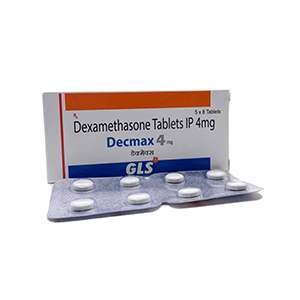
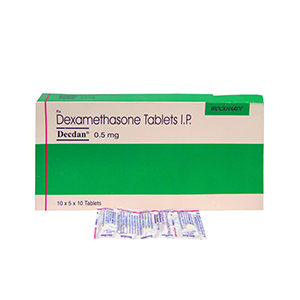
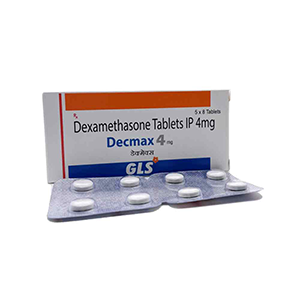
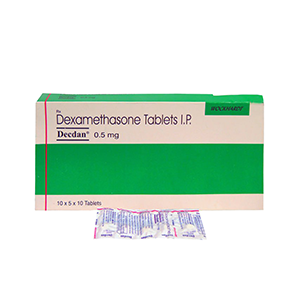
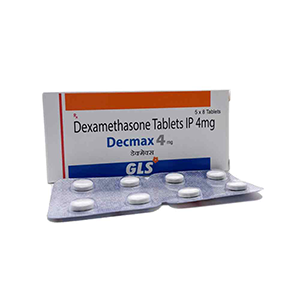
Dexamethasone is a prescription corticosteroid medication used to treat a wide range of inflammatory, allergic, autoimmune, and endocrine disorders. It works by reducing inflammation and suppressing the body's immune response, helping relieve symptoms such as swelling, redness, pain, and allergic reactions.
Dexamethasone is commonly prescribed for conditions including severe allergies, asthma, rheumatoid arthritis, lupus, inflammatory bowel disease, skin disorders, certain blood disorders, and cerebral edema. It is also used as part of treatment regimens for some cancers and to help prevent nausea and vomiting associated with chemotherapy. In specific clinical situations, Dexamethasone may also be used to treat severe respiratory illnesses under medical supervision.
The medication works by mimicking the effects of cortisol, a naturally occurring hormone produced by the adrenal glands. By regulating immune and inflammatory processes, Dexamethasone helps reduce tissue damage and improve symptoms in many acute and chronic medical conditions.
Common side effects may include increased appetite, weight gain, insomnia, mood changes, elevated blood sugar, fluid retention, and increased susceptibility to infections. Long-term use may increase the risk of osteoporosis, cataracts, glaucoma, adrenal suppression, and other serious complications. Patients should not stop taking Dexamethasone abruptly without medical guidance, as gradual dose reduction may be necessary.
Before using Dexamethasone, patients should inform their healthcare provider about any infections, diabetes, liver or kidney disease, osteoporosis, glaucoma, stomach ulcers, or other medical conditions, as well as all medications they are taking. When used as prescribed, Dexamethasone can effectively control inflammation and immune-related conditions while improving overall quality of life.
 CATEGORY